What’s that? – Red Bay Pier…

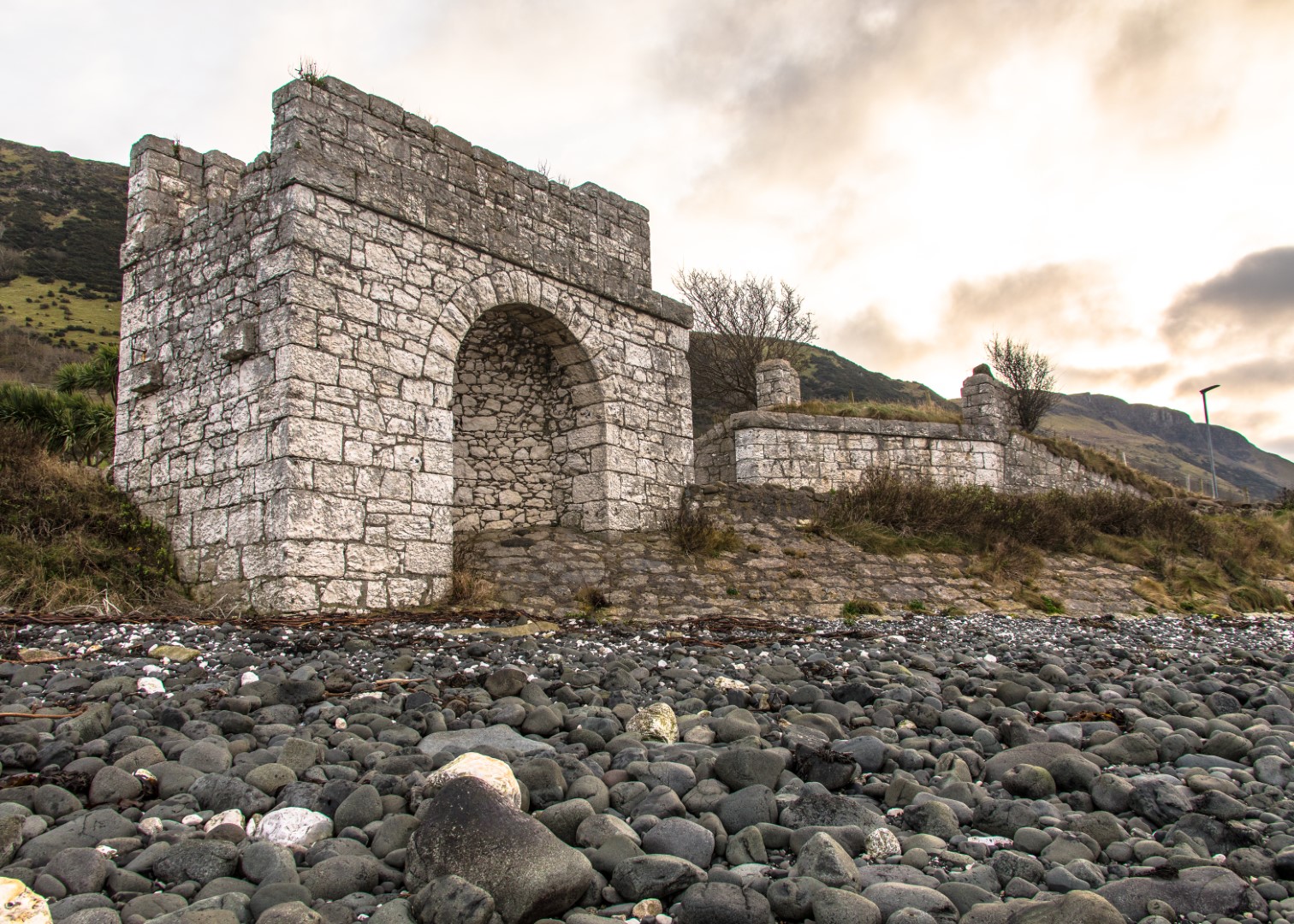
Red Bay Pier was built around 1849 at a total cost of under £2,000 to cater for the increasing commercial shipping traffic in the area. Previous to this, small cargo boats came into the mouth of Glenariff River where a large rock acted as a pier. The new pier had a depth of 17’ at … Read more

What’s that? – The Curfew Tower, Cushendall…

Cushendall owes its early development to Francis Turnly who is said to have made a fortune with the East India Company in China.  This company traded in India, The East Indies and China. Tea from China was in great demand and in 1800 twenty million pounds of tea was exported to Britain.  Tea was a … Read more

St Patrick’s Well also known as The Gloonan Stone or Balluan stone, Cushendun…

This well in the form of two hollows in a large stone is in the gateway of the farm opposite St Patrick`s Church Craigagh (Cushendun) approximately two miles from the village of Cushendun along the Glendun Road. Nowadays the well has a wooden fence around it but can be easily viewed from the roadway. The … Read more

What’s that? – Shore Street Pump, Cushendall..

Nowadays we expect every house to have a supply of clean water and indeed hot and cold water at the turn of a tap but this pump is a reminder that this was not always the case. In the nineteenth century and, for some houses, into the twentieth century every drop of water used had … Read more

What’s that? – Coolanlough Crannog, Fairhead…

Coolanlough Crannog is located in the townland of Cross, Fair Head, near Ballycastle. The crannog in the lake dates back to approximately the 1600s and, according to the Ordnance Survey (OS) Memoirs of 1838, was built by one of the McDonnell chieftains who apparently had a house and land on Fair Head. It originally had … Read more

What’s that? – The White Arch and Glenariff Railway…

The limestone supporting walls or abutments on either side of the Antrim coast road, to the eastern side of Glenariff in the townland of Carrivemurphy, are the most visible relic of a railway which carried iron ore from Cloghcor, at the head of the glen, to the coast. In the mid-19th century, the Antrim hills … Read more

What’s that? – Retreat Station Cloghglass…

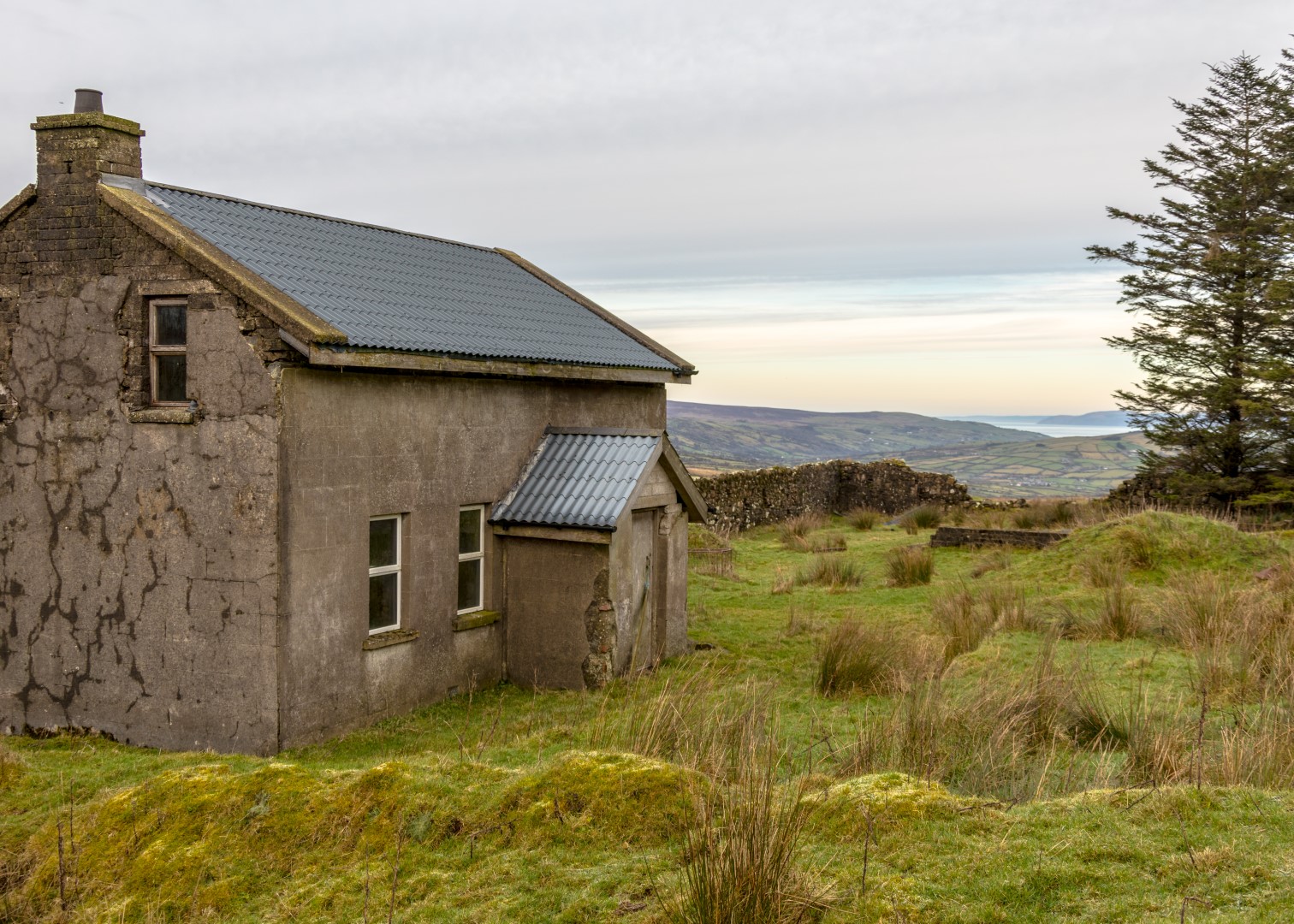
‘Retreat’ was the northern terminus of the Ballymena, Cushendall and Red Bay Railway. Its original purpose was to transport iron ore from the various mines in Glenravel to Ballymena and then to Larne and Belfast for shipment to England. Mining began in 1866 and the railway, Ballymena-Parkmore, began operations in 1875 and on to Retreat … Read more

What’s that? – The Fuldiew Stone, Cushendun…

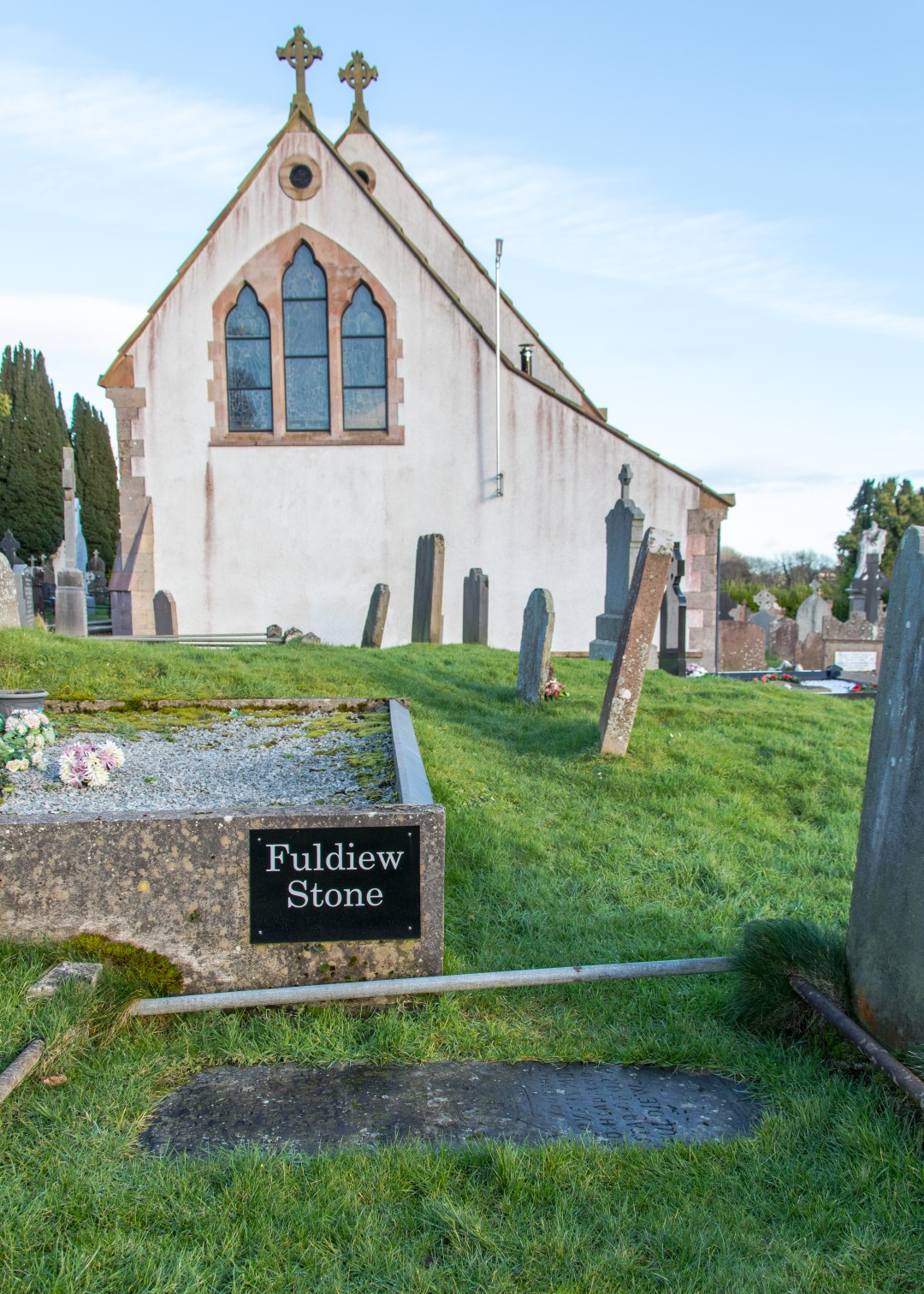
The Fuldiew stone in the graveyard of St Patrick`s Church Craigagh, Cushendun, lies just beyond the west gable of the church. It is easy to find and well signposted from the cemetery gates. According to local legend this is a story of enduring love. The grave is covered by flat stone bearing the following inscription … Read more

What’s that? – Shane’s Cross, Cushendun…

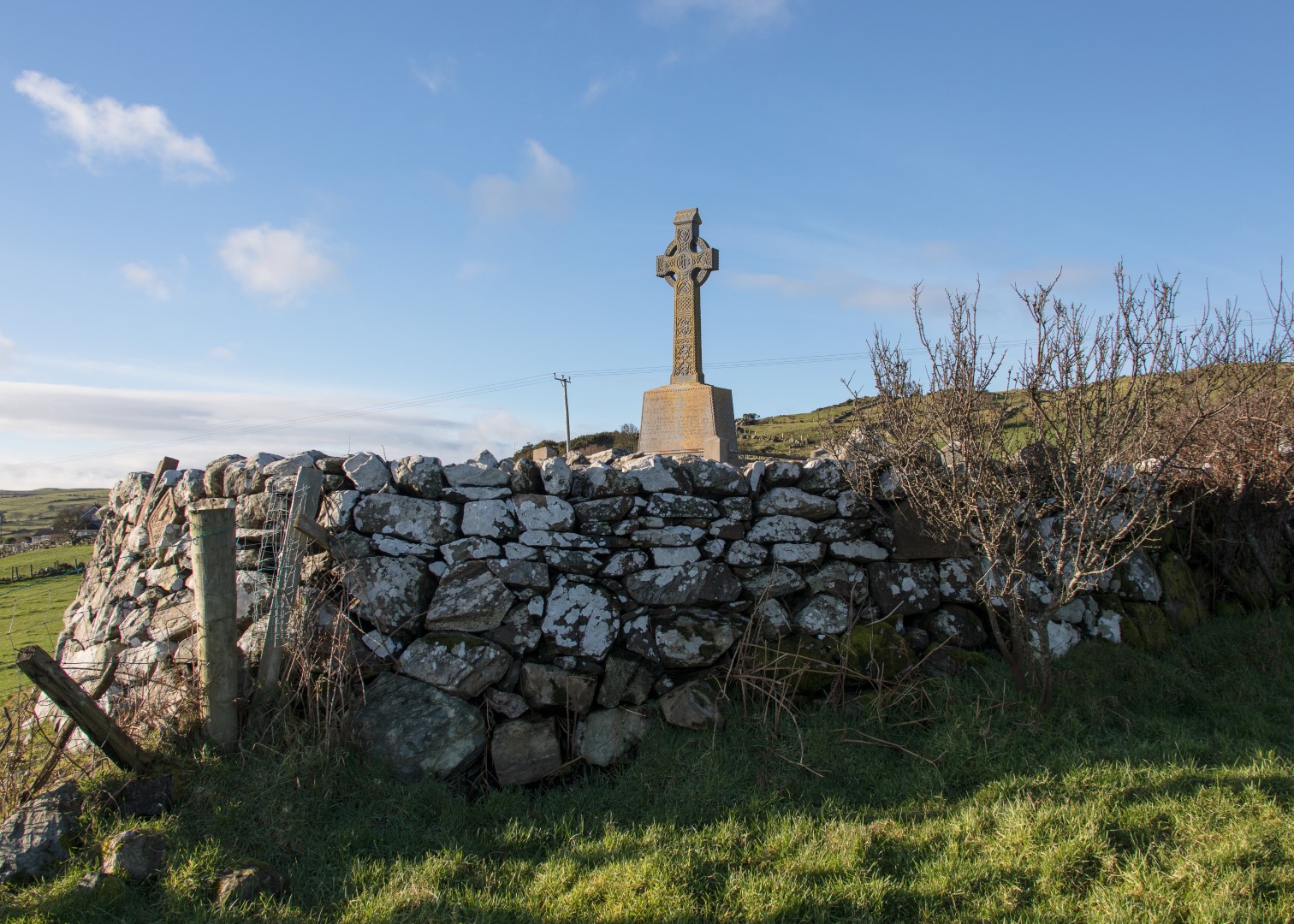
This cross commemorates the death, of Shane O’Neill near Castle Carra in Cushendun in 1567. Originally an old ruined church stood on this site and Shane’s body was reputed to have been brought there, wrapped in a soldier’s old shirt. Shane O’ Neill, chieftain of the O’Neill’s of Tyrone was the most important man in … Read more

What’s that? – Castle Carra, Cushendun…

The castle which is in fact a tower house is situated a few hundred yards from the sea in the townland of Castlepark on the north side of Cushendun. Indications are that it was a fortification erected by the Bysset or McDonnell families.  There is a tradition in the Glens that this was the site … Read more